
June 2026
Click the link above to read the 2nd Edition of the Recovery Dharma book, including updates to the text and 14 personal stories of recovery from members of the community!
Dear Sangha,
We extending much hope that you are reading this with presence and equanimity. If you find this feeling off-kilter slightly we are equally glad you are joining us for this branch of Recovery Dharma as well.
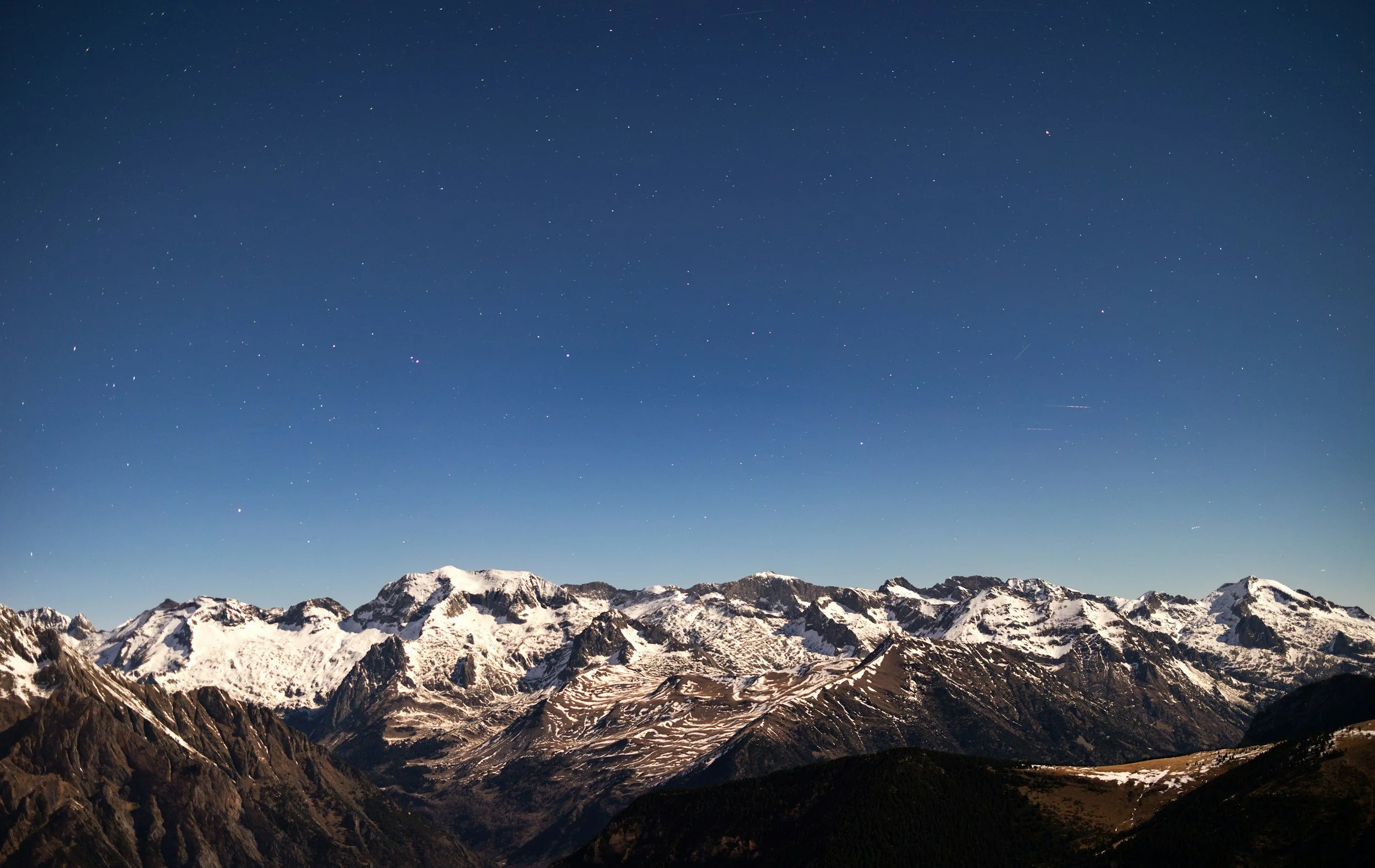
The mountains are outside our windows in the front range. They are definitely symbolic of the paths we are all on. These are full of not only the peaks and valleys but the spaces along the way we pause and take respite. In those spaces we regain breath and in doing so presence in the moment. Perhaps we observe without clinging that we've been leaning towards reacting rather than responding. There is likely a split second difference between the two. Ours is a practice of cultivating truth. In time when we are true to ourselves, we will be true to others.
Peace & Harmony,
RD Denver
Spotlight
Name: Ben (he/they)
1. How did you find Recovery Dharma?
I learned about it just before covid lockdown–it was on my radar, but I’d never really tried it. I began my recovery journey in earnest during lockdown, when I realized that the isolation and stressors I felt during that period were going to end very, very badly for me. I started listening to the Dave Smith Dharma podcast, and was so happy and relieved when lockdown pushed so many Recovery Dharma meetings online, at almost every hour of the day. I went to a lot of them during that time.
2. Had you been introduced to the Buddha's teachings before?
Yes. I was raised Catholic and was pretty devout, in a felt sort of way rather than an intellectual one. For example, I used to love the weekend youth retreats, where in the serenity of the Midwest countryside all the cliques and busy-ness of high school were set aside. I remember feeling a strong sense of community and care for others, which is something I knew was real for me. I also had some powerful experiences of connection with nature in those spaces. So when I grew and made the choice of stepping away from my faith upbringing for specific reasons, the transcendence of Catholic mysticism stayed with me. I was introduced to Buddhism in a psychology course in college. I think we read Zen Mind, Beginners Mind by Shunryu Suzuki. I knew there was something real there, too.
I also want to say there were distractions along the way. My addiction had not fully set in during my 20’s, but looking back it was well on its way. I read a LOT of the Beat writers in the second half of my 20’s, and particularly Jack Kerouac who experimented with meditation quite a bit. His gift of writing mirrored the magic of travel and observation that I was experiencing (I had left my modest Midwest home and waited tables in Europe, travelled around the U.S., etc.). I’m a practicing Buddhist now, and when I look back on Kerouac's writing, as well as the litany of misfires in the emergence of Westernized Buddhism in the U.S., I think reading Kerouac is a terrible introduction to Buddhism, ha! He’d meditate on a California mountaintop one day, then be drunk and howling the next. I too wanted to have it all, and this actually slowed my development and recovery. There were many great teachers during that era in the U.S., but also far too many incidences of drugs, sexual misconduct, and escapism. After all his books about expansive openness to experience, Kerouac died of alcohol-related liver complications at 47. At some point I decided for myself that I don’t want to go out like that.
3. Do you mix in any other practices with your recovery?
I ‘speak Christian’, and have a complicated connection to progressive Methodist communities. I don’t want my faith (see below) to be dependent on human, passed-down narratives that claim past supernatural events. But, wow, I love the stories in the New Testament, and see them as poetry that speaks to the depths of the human condition (for example, I see resurrection in every person in recovery that I meet!). This reconciliation with the faith tradition of my childhood is helpful in my recovery.
4. Is there anything in particular from the Dharma (teachings), the Sangha (community), meditations or any other aspect that resonates with you in your day to day life?
So many! Lately, one of the things that has been very meaningful to me is Buddhist distinction between belief and faith. I think the two oftentimes get confused. Faith is paramount, but I lovingly say ‘I don’t have faith in much.’ But the simplicity of that assertion offers abundance, and is more than enough to live a good life by. I have faith that: 1) Our hearts and minds are born into our bodies, which will grow, age, and end; 2) The human condition is such that, when there is injury, we naturally move toward healing (even us addicts, who take our own sweet time!); 3) Human nature is such that we seek to bond with others and form supportive communities; and 4) Love is usually (almost always) the best place to start with any problem we face.
All the rest–my political opinions, trusting science when I go to the doctor, valuing this or that artist’s work, etc.–are just beliefs. I have my valid rationales, but always treat belief as an open system, inviting new information and evolution. Faith is simple and paramount, the thing Buddhists call ‘impenetrable.’ I strive to live anchored to that, though my imperfections are vast.
5. Is there anything you would want to share with someone new to recovery or new to the Dharma?
First, if Recovery Dharma resonates with you, be sure to work actively to build your peer and/or professional supports. RD is great, but as a peer-run model it’s not, at present, as built for mentoring and outreach compared to other peer-run models. ‘Wise Friends’ (mentors) are out there, but you may have to work a little harder to find them.
Second, mindful meditation is a fairly simple process and tool for recovery, but the Buddhist literature is vast and complicated. Focus on mindfulness meditation, and do not feel like you have to learn everything about Buddhism in order to benefit from RD.
Third, if RD really starts to help you, consider joining a Buddhist community (sangha) in your town. When I arrived in Denver two years ago, I set aside a string of Sundays to go to different sanghas until I found one that felt right for me. Members of my sangha have become some of my closest friends here, and participation in my sangha really helps my recovery.
6. (optional) Any additional thoughts to share?
What you are doing is remarkable–recovering from the past and reimagining your future. Recovery has the potential to make us better people than we have ever been. Thanks to all the good folks who help build and support Recovery Dharma and our unfolding story.
Buddhist Celebrations
this month
(*celestial events are added as particularly in Theravadan Bhuddism, the lunar cycles are part of the cyclical nature of existence. These days may be incorporated within your own personal practice.)
Atthami Bucha Day: June 8 - A Thai/Theravada holy day honoring the cremation of the Buddha (falls on the 8th waning day of the 7th lunar month).
New Moon: June 15
Upcoming Events
To have your Dharma and/or recovery events added to the newsletter, please email recoverydharmametrodenver@gmail.comPhoenix?
Inquiries Group at the Phoenix Gym (2221 Champa St., Denver, CO 80205)
Sundays, 6:45PM (except first Sunday of each Month reserved for business meeting).
Come and do your Inquiries with us! Whether just Starting on the first, picking up where you've left off or if you've done them before to understand how responses may have changed in time. We may be on different ones. What matters is that we come together for ourselves and to support others on the jouney.
Each meeting is facilitated by somebody new. Maybe yourself?
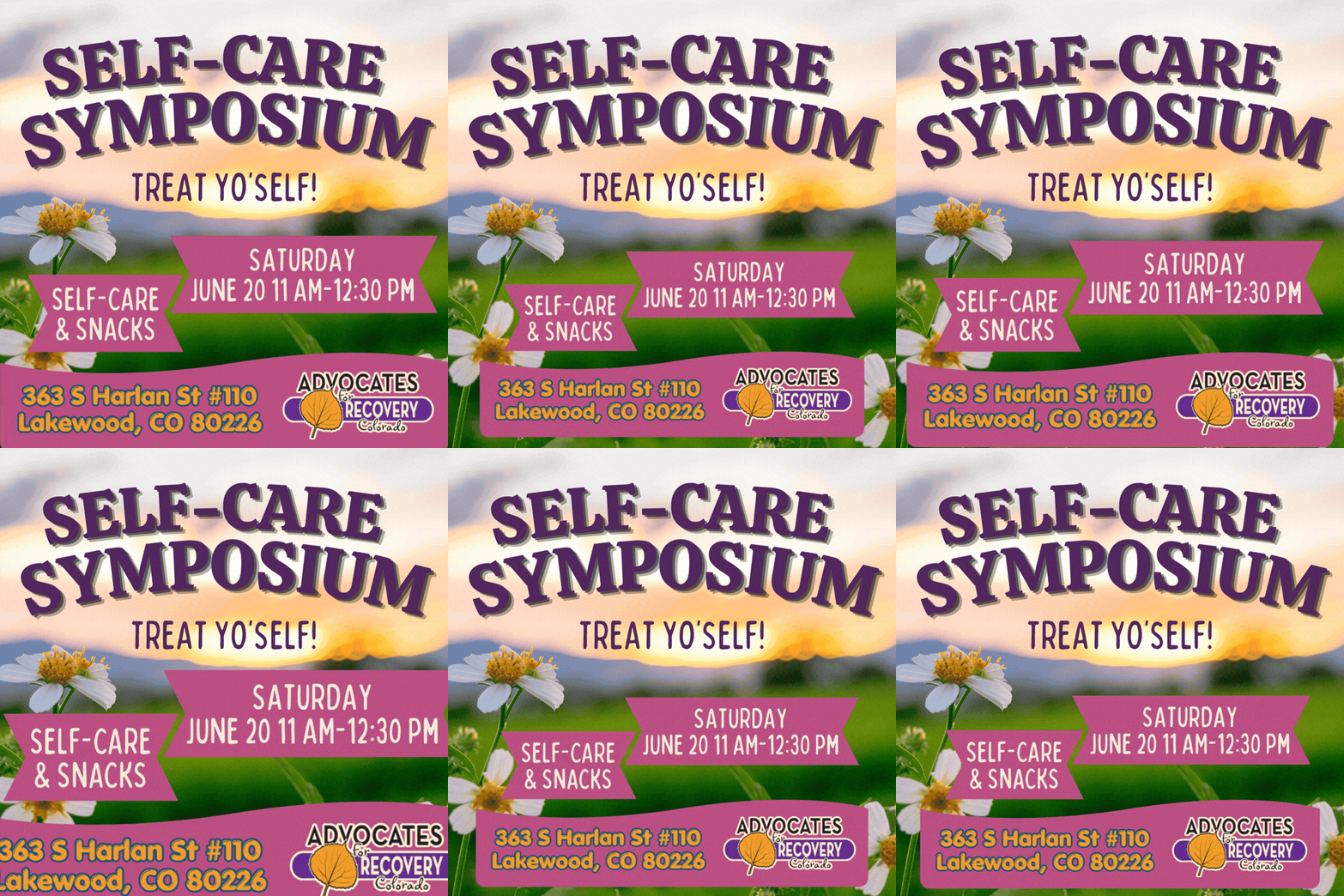
Self-Care Symposium - Lakewood, CO
Saturday, June 20, 2026
11:00 AM 12:30 PM
Advocates For Recovery Colorado
363 South Harlan StreetLakewood, CO, 80226United States (map)
Ready to recharge, reconnect, and invest in you?
Join us for a welcoming and uplifting gathering where we explore simple, low-cost ways to care for ourselves. Together, we’ll dive into the who, what, when, where, why, and how of building meaningful self-care practices that support overall wellness and recovery.
This isn’t just a workshop—it’s a chance to connect in community, share experiences, and practice self-care in real time. Expect engaging conversations, hands-on activities, and practical tools you can take with you and use in everyday life.
For more events with AFR click here.
Colorado Artists in Recovery (CAiR) hosts several workshops throughout the month, and welcomes all in recovery to participate for free. Whether you are new in recovery or wanting to try something new well into your journey, these workshops offer wonderful opportunities to explore new talents and meet others within positive/safe spaces.
To Sign Up for a monthly newsletter of events click here.
Creative Writing Workshop
June 8 11:00-12:00
Champa Street Gym
2233 Champa Street, Denver, CO
Join us for a relaxed and welcoming Creative Writing Workshop — a safe space to spend an hour writing, reflecting, and creating with light music in the background. Writing utensils, and paper will be provided, so just bring yourself and your thoughts. Use this time to jot down memories you want to keep, stories you want to share, or something you’ve been meaning to reflect on but haven’t quite figured out yet. Your writing can go anywhere — journal entries, poems, short stories, novels, comedy, jokes, or even doodles are all welcome. No experience is needed, just a willingness to show up, reflect, and create in community.
Please reserve a spot ahead of time on the NewForm app.
For a full listing of events at the Phoenix Gym, click here.
Meetings
Join us at one of our weekly meetings. We have in-person meetings nearly every day of the week across the Front Range as well as online meetings you can join from anywhere. We practice meditation together and then read from the Recovery Dharma book or another Buddhist text. The second half of the meeting is dedicated to providing space to talk about the topic or anything you need to share related to recovery.
Sundays 5:30 The Phoenix (In-Person) 2233 Champa St. Denver, CO 80205
Tuesdays 6:45 The Phoenix (In-Person)2233 Champa St. Denver, CO 80205(in Baby Champa, the door to the left of the gym entrance).
Thursday 6:30 pm MT Lakewood (In-Person) @ Shepherd of the Hills Church - 11500 W 20th Ave, Lakewood, CO 80215
Thursday 7:00 pm MT Denver (In-Person) @ FREE Spiritual Community Center - 2122 S. Lafayette St, Denver, CO 80210
For a complete list of meetings in the area, visit our website. To have your Dharma group added to our list, please reach out at RecoveryDharmaMetroDenver@gmail.com.
From the Book
Read this and the rest of the book here. This starts on page 17.
Community Resources
Recovery Dharma supports a holistic path to recovery. There is no one right way to recover and it's always a good idea to add more tools to your toolbox to facilitate your healing.
Here are some other community resources to check out:
Advocates for Recovery - recovery meetings, events, coaching
The Behavioral Health Administration (BHA) - the state administration responsible for ensuring all people in Colorado have access to quality mental health and substance use disorder services, regardless of where they live, or ability to pay.
The Second Chance Center (SCC) - Dedicated to helping formerly incarcerated individuals transition to success, we provide the guidance and resources needed to create a fulfilling, successful future.
CHOW(Culinary Hospitality Outreach and Wellness)
CAIR(Colorado Artists in Recovery) - artists workshops and events
Rooted303 - personal development classes, recovery coaching, support groups
The Phoenix - A Sober Active Community offering free exercise classes
Hard Beauty - recovery coaching and workshops
Meditation Resources - Insight Timer App, Sounds True One, Waking Up, Headspace, Plum Village App, Recovery Dharma Meditations.
Recoverydharmametrodenver@gmail.com
Powered by Squarespace
